Cotton Candy

After a week in a slightly humid kitchen, this:


flattens into this:


which, close up, looks like this:

11 Fun Valentine Science Experiments

Looking for a kid-friendly way to enjoy Valentine’s Day? Try some Valentine science activities at home!

Here’s a roundup of eleven fun Valentine experiments to do with your kids.
  1. Hearts Bobbing

    At www.candyexperiments.com, I love playing with candy. That’s why it was so fun to come up with a conversation hearts experiment that makes the candy dance!

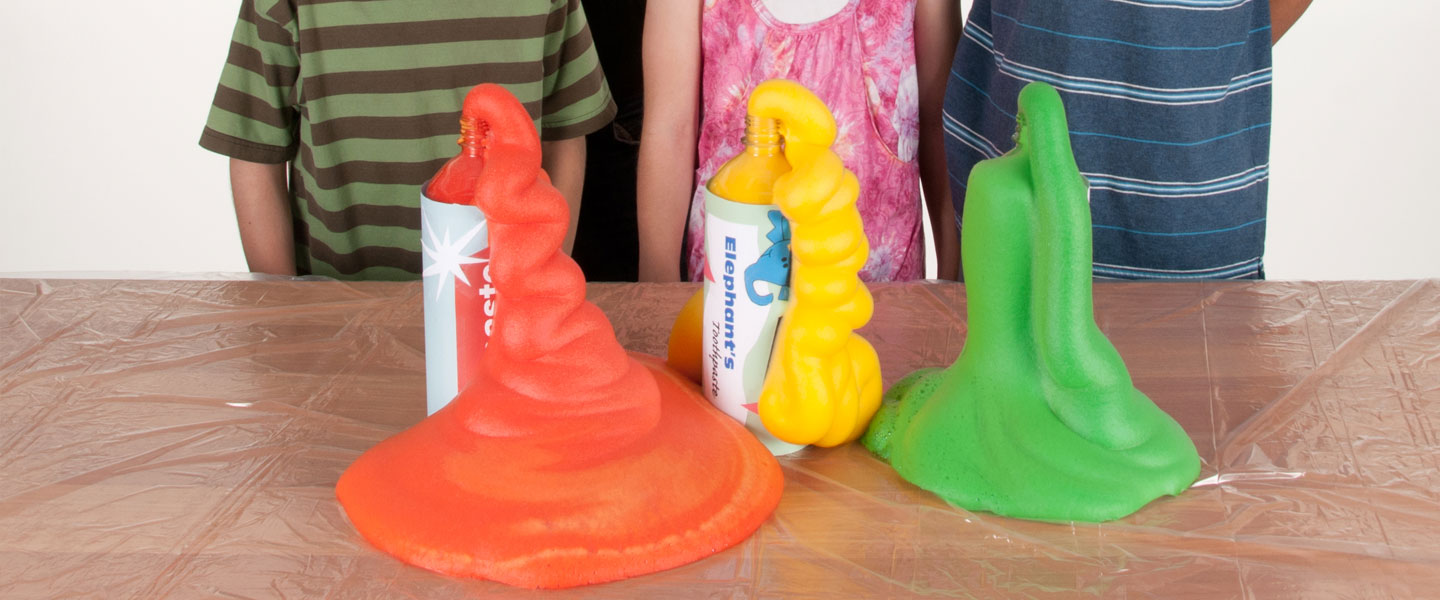
  2. Foaming Elephant Toothpaste

    Add some pink or red food coloring to make Steve Spangler's foaming experiment a Valentine favorite! Not only do kids get to play with foamy bubbles, it’s an exothermic reaction that teaches chemistry.

  3. Foaming Marshmallow Hearts

    Here’s another way to make Valentine foam: microwave marshmallow hearts in a bottle. In just a short time, the melted marshmallow will start fountaining out of the bottle. (Caution--hot!)

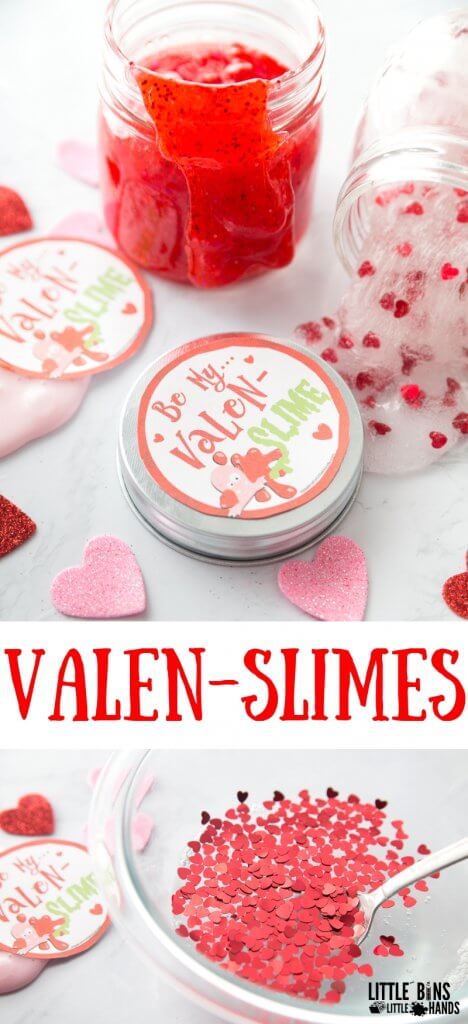
  4. Valentine Slime

    Need a Valentine experiment that keeps your kids busy for a few minutes? This Little Bins For Little Hands activity shows how to make some fun Valentine slime.

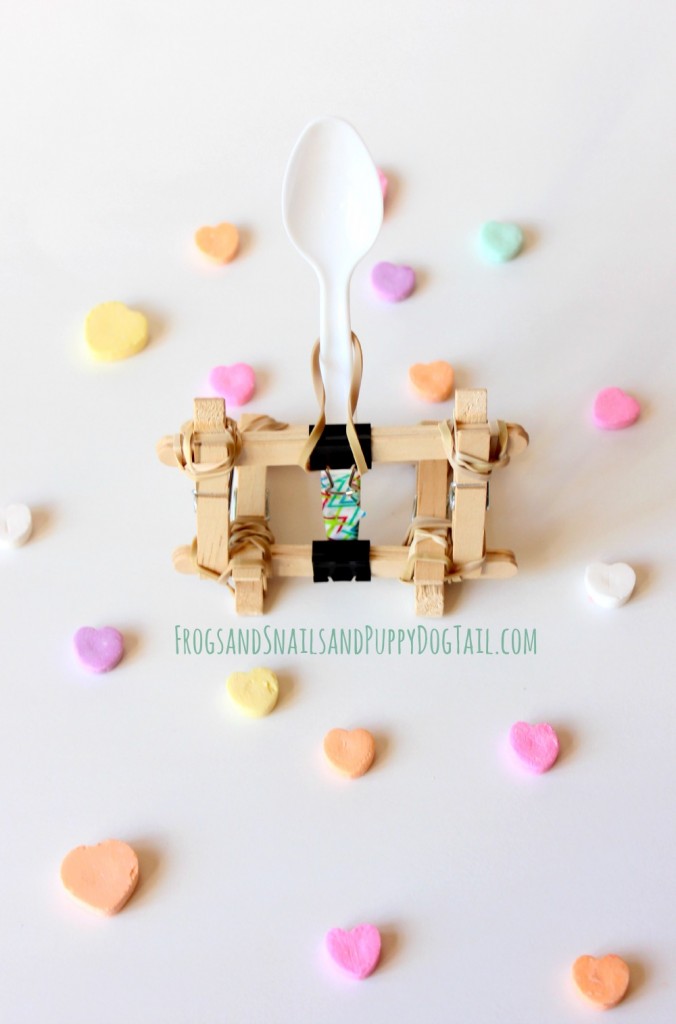
  5. Catapult for Conversation Hearts


    Here’s a way to try physics in action from the Frogs Snails and Puppy Dog Tails blog. Build a catapult to launch hearts across the room!

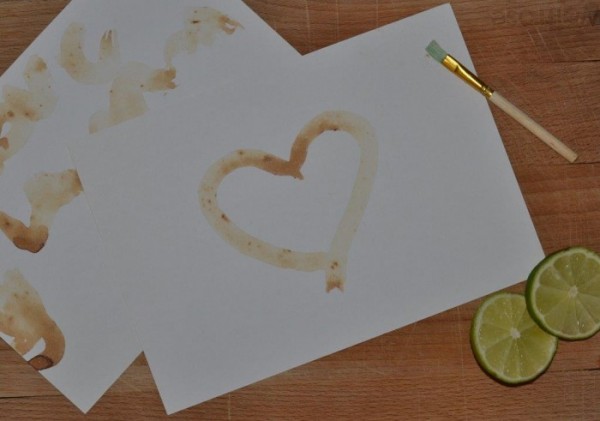
  6. Invisible Valentine Messages

    Find instructions at Red Ted Art for writing Valentine messages with invisible ink!

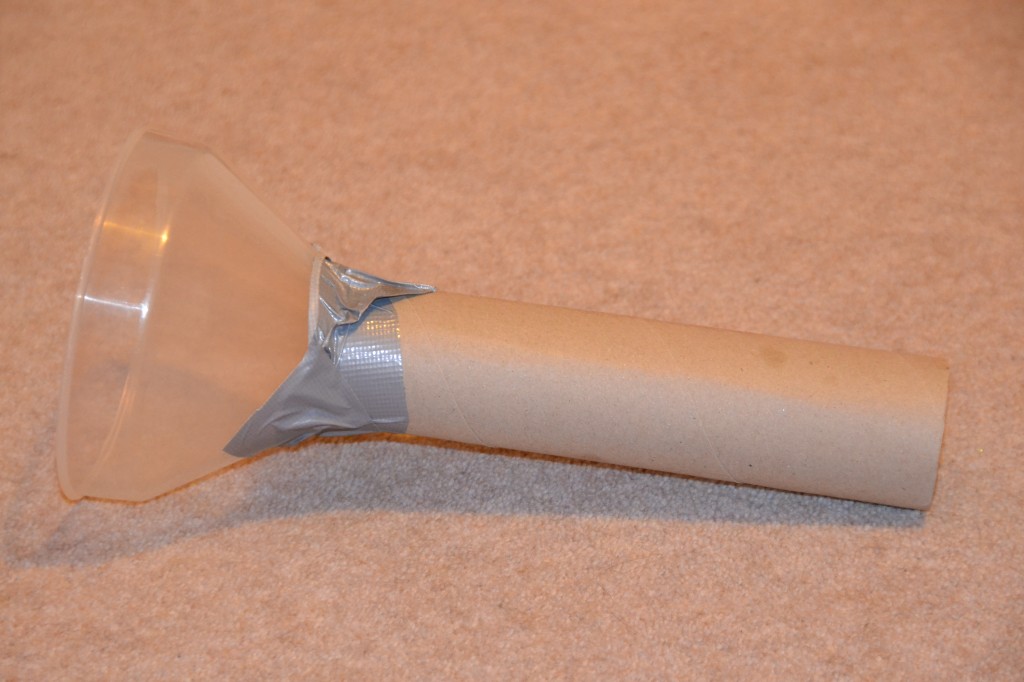
  7. Make Your Own Stethoscope

    Here’s a creative way from Science-sparks to make your own stethoscope and listen for heartbeats as you teach your kids what a heart really does.

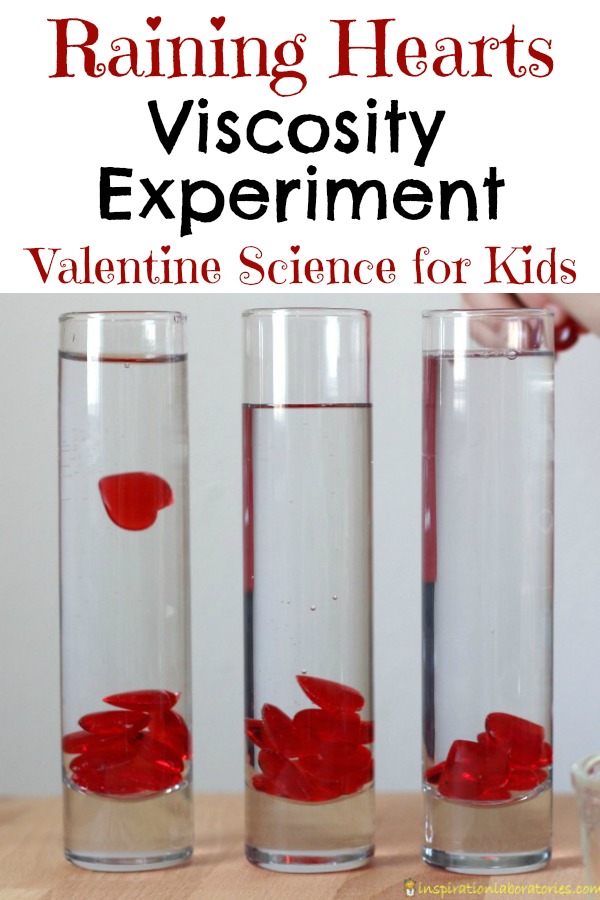
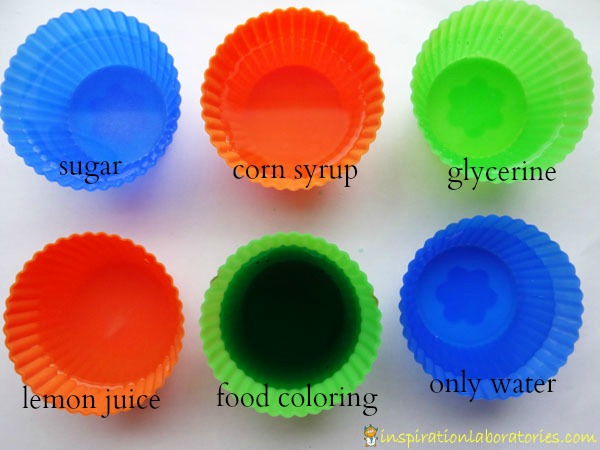
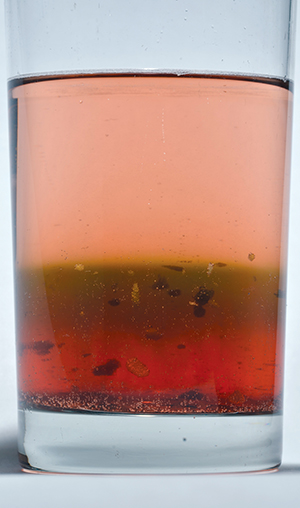
  8. Raining Hearts

    Watch hearts sink through different solutions in this experiment about viscosity in action from Inspiration Laboratories.

  9. Test Sour Candy

    Dissolve your candy and add baking soda to see which ones contain acid.

  10. Find the Sour Ingredients

    This mom at Inspiration Laboratories let her kid test each ingredient that makes up conversation hearts to find out which one causes the baking soda to react.
  11. Pierced Hearts


    Poke a pin right through a conversation heart--without breaking it!

A Fountain of Valentine Hearts

With marshmallows, bottle, and a microwave, you can create a Valentine's day fountain!


What you need:
  • marshmallow hearts, such as Peeps
  • empty plastic water bottle
  • parchment paper (optional)
What to do:
  1. Slide the marshmallows into the bottle. (You may want to roll each marshmallow up in parchment paper to slide it inside the bottle, then pull the parchment paper away.
  2. Microwave the bottle, watching closely to make sure it doesn't get too hot.
  3. Watch the marshmallow come fountaining out of the bottle!

What's happening:
As the marshmallows heat up, the gelatin softens while the air bubbles expand, making the marshmallows grow bigger. Since the marshmallows are trapped in a bottle with a narrow opening, the expanding marshmallow gets forced through the narrow bottle top, creating the fountain effect. <
Good news for chocolate lovers! An analysis of several studies, published in the European Journal of Preventive Cardiology, found association between chocolate consumption and a lower risk of coronary artery disease.


The study pointed to consumption at least once a week, but didn't say what kind. Previous studies show the best benefit comes from eating chocolate that's more than 70% dark. Of course, the sugars and fats in chocolate, especially products like cookies, can lead to worse health, so don't go overboard if you make chocolate your new health food!

"More Science that Chocolate May Be Good for Your Heart," Tufts University Health & Nutrition Letter, Jan 2021

"Chocolate is good for the heart," European Society of Cardiology press release July 22, 2020

"Association between chocolate consumption and risk of coronary artery disease: a systematic review and meta-analysis," European Journal of Preventive Cardiology, July 22, 2020

Candy Canes vs. Sugar

Which melts faster, candy canes or pure sugar?  To find out, place a candy cane and a lump of sugar on a foil-lined pan.  Then heat in the oven at 300 F for 5-10 minutes.  Which one melts first?

Table sugar melts at about 360 F.

11 Favorite Candy Experiments

Do you need a fun way for kids to celebrate Halloween and learn science? If so, try some of these candy science experiments to get your candy bubbling, spouting, sparking, sinking, and separating!

Here’s a list of eleven favorite candy experiments from all over the internet.

1. Sour Candy Bubble Test

Sour candy contains acid, which causes the sour taste. With the Acid Test candy experiment, You can test for the acid by dissolving the candy and adding baking soda to make a bubbling reaction.

You can do this with any type of candy, but it’s especially fun with Pixy Stix and Warheads!

2. Floating M&Ms

Need a Halloween magic trick? Drop some M&M’s in a glass of water and watch the letters. In a few minutes, the M’s will start floating!

3. Marshmallow Sink

Can you sink a marshmallow? Take the Marshmallow Challenge to find out!

A marshmallow contains tiny air bubbles, which puff it out to make it less dense than water. To make it sink, you must make the marshmallow denser than water by making it smaller. Smash the marshmallow to break the air bubbles, then roll it into a ball. If you make it small enough, it will sink.

4. Life Saver Lights

For this experiment, which the Exploratorium calls “Lighting In Your Mouth,” you need a dark room, a mirror, and a pack of wintergreen LifeSavers. Stand in front of the mirror and start chewing the LifeSavers. You will see sparks of light as the energy from the chewing motion rips electrons off of the sugar molecules, then recombines them to release flashes of light.

This also works with other wintergreen sugar candies, such as Altoids.

5. Candy Color Separation

Chromatography lets you separate candy colors so you can see what dyes have been mixed together.

To do chromatography, cut a strip of paper from a coffee filter. Wet a colored candy, such as a brown M&M, and dab a spot of color near the bottom of the paper. Stand up the paper up in glass with a half-inch of water, and watch as the colors rise up the paper.

6. Chocolate Bloom

When chocolate blooms, the cocoa butter begins to separate from the cocoa solids. Eventually the cocoa butter can form complex patterns of white crystals.

7. Dancing Gummy Frankenworms

For the Dancing Gummy Frankenworms experiment, you can make gummy worms dance by slicing them into strips, soaking them in baking soda water, then dropping them in vinegar. The bubbles will hold the pieces up so they dance!

8. Giant Gummies

Make your gummy worms grow to double their length with the Giant Gummies experiment. Just put them in water and wait for two days to see how big they get.

9. Bubbling Pop Rocks

To find the secret ingredient in Pop Rocks, put them in water and watch what happens. As the candy dissolves, it releases tiny trapped air bubbles that float to the surface.

10. Melting Races


If you really want to see what your candy is made of, cover a cookie sheet with aluminum foil, line up different types of candy, and heat in the oven at 300 degrees to see what happens. For instance, you’ll see oil spots form on Starbursts, candy bars melt away from their fillings, and taffy turn translucent as the air bubbles contained inside rise to the surface and disappear.

11. Mentos Coke Geyser

One of the internet’s favorite candy experiments, the Mentos Coke geyser lets you send coke spouting into the air. Try it with Diet Coke, and wear clothes that can get wet!

For more fun ideas on how to experiment with candy, check out the candyexperiments.com experiments page!

5 Best Candies for Halloween Candy Experiments

Are you buying candy for Halloween? Don’t forget to prepare for Halloween candy experiments! You can do dozens of different experiments if you buy just five types of candy.

Read on to learn the five best candies for candy experiments.

1. M&Ms

M&Ms make the perfect candy for color experiments. Try separating brown M&M dye into rainbows with with chromatography, or mix colors together to make new shades.

You can also use M&M’s to explore the mechanics of ocean currents, or graph data sets.

2. Skittles

Use Skittles for candy color experiments, and also for melting experiments. Float the S right off the candy with Floating Letters, which works for M&Ms, too. Try chromatography with purple Skittles. Explore density with the Skittles Density Rainbow,

You can also melt Skittles into clamshells or compare the difference in dissolving them with hot or cold water.

3. Warheads

Warheads make the best candy for the Sour Candy Acid Test experiment.You can also make awesome candy diving bottles, or Cartesian divers.

These experiments work with Toxic Waste candy, too.

4. Gummy Candy

You can grow monster gummies in water with the Incredible Growing Gummy Worm experiment. Just leave a gummy candy in water for two days, and watch it grow to twice its original length!

You can also use gummy worms to learn about osmosis by soaking them in salt water.

5. Taffy

Taffy has a secret ingredient--tiny air bubbles. You can learn more about these air bubbles by dissolving the taffy and watching the bubbles float to the surface, or by melting it to turn it transparent.

Taffy’s also great for making sticky candy creations--encourage your kids to mix up their discards and make sculptures and landscapes.

Prepare for Candy Science Experiments

When you’re buying your candy this year, don’t just think about what kids like to eat. Get the best candies for playing with color, density, stretching, and stickiness. You’ll be well-stocked to create your own candy experiments science lab! For more ideas on destroying candy for science, check out the Experiments page at www.candyexperiments.com!